
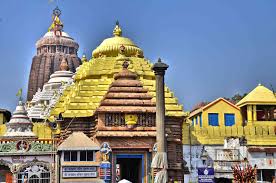
The nation has been on high alert since the recent Red Fort explosion. In Puri, a popular tourist destination in Odisha that receives thousands of people every day, the situation has raised new security worries. In and around the Puri Jagannath Temple, police are especially concerned about tourists resting in unregistered homestays and other illicit establishments.
The number of unauthorized homestays and anonymous accommodation units in the holy city has skyrocketed, despite the fact that registered hotels and lodges must disclose guest data via approved apps.
"People are making changes to their homes to accommodate visitors. In order to avoid paying taxes and other regulations, they are not even erecting any signage.vDemand for a Tourist Police Station
Demand for the establishment of a dedicated tourist police station, akin to a traffic police station, to handle the problem has increased in response to these worries.
Concerns about the proliferation of unauthorized lodging that is endangering Mahaprabhu Jagannath's property have also been voiced by the local hotel association.
Illegal hotels and homestays have apparently grown quickly in the Puri Srimandir area, with many of them operating without municipal trade licenses. The temple and the city's security are seriously threatened by these establishments, which are said to accept visitors without identity verification, keep no records of their arrival or origin, and neglect to notify questionable individuals.Police have increased monitoring throughout the Puri district due to the implementation of heightened terror-alert measures. Nonetheless, locals and hotel owners maintain that illicit accommodations are still a major security vulnerability and need to be closed right once.
"No information on tourists staying in homestays in Puri is even available to the police. There will be a greater security risk to the Puri Srimandir if these conditions worsen and thousands of people remain in those unlawful homestays in and near the Srimandir. In order to sustain these foot traffic, a tourist police station, akin to a traffic police station, is required, according to scholar Sarat Raiguru.
Widespread Breach of Trade Regulations
In addition to more than 2,000 homestays, Puri is home to over 3,000 hotels, guest houses, lodges, and dharmashalas. All of these establishments must have trade licenses and adhere to stringent regulations about parking, fire safety, identity verification, and reporting suspicious people. Penalties, legal action, and license cancellation are all possible outcomes of violations.
Many people continue to convert residential structures into unregistered lodges in spite of these regulations, disregarding the need for compliance. Hoteliers and intellectuals have expressed concern and called for strict enforcement.
Hotel owner Rabi Narayan Sahoo stated that immediate action is required against homestay operators in order to set an example for others. He continued, "It will help maintain Puri's security."
According to Puri SP Prateek Singh, the police are thinking about developing a new SOP for keeping an eye on lodges and homestays in order to improve security in the temple town and guarantee visitor safety. "We are having surprise visits and checking in such hotels and homestays and will soon come up with new SOP," he stated.
.jpg)
.jpg)

.jpg)
.jpg)
.jpg)