
.jpg)
Sheikh Hasina, the former prime leader of Bangladesh, has been living a solitary life in Delhi since August 2024, following her spectacular helicopter escape from her Dhaka palace during a student-led demonstration last year.
She maintains an unremarkable existence in India's capital, New Delhi, where an interim administration led by Nobel peace laureate Muhammad Yunus has been in power since her overthrow and has promised to hold national elections in February 2027.
The demonstration and the demonstrators' subsequent attack on her palace in Dhaka served as a pretty violent reminder of the military takeover in 1975 that killed her father and three brothers while she and her sister were travelling overseas.
The life of Hasina in Delhi
Hasina enjoys a tranquil life in exile, yet she longs to return. In an interview, she stated, "I would definitely love to return home, provided that the government was legitimate, the constitution was being respected, and law and order actually prevailed."
A few months back, Hasina was spotted by a Reuters reporter strolling peacefully through Delhi's iconic Lodhi Garden with two people who seemed to be her personal security detail. She nodded to onlookers, some of whom recognised her.
According to reports last year, Hasina was residing in a safe house in the Lutyens Bungalow Zone of New Delhi, a high-security neighbourhood that is home to a number of senior officials and former and current Members of Parliament.
The Indian government made the accommodations.
According to the Print, Hasina frequently accompanied a plainclothes security guard on her outings in the neighbouring Lodhi garden.
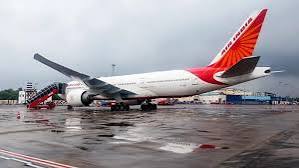
According to reports, Hasina left on a Bangladesh Air Force plane on August 5, 2024, with few people near her, into India's Hindon airbase.
After spending two days at the base, she was transferred to a more secure location with sufficient security precautions and met with senior military officials and National Security Advisor Ajit Doval.
Election boycott
In protest of Hasina's prohibition on voting, millions of supporters of Bangladesh's Awami League would abstain from the country's national election next year.
In her interviews, Hasina maintained her commitment to "restoring democracy" in the nation despite her stay abroad and the ongoing prosecution in absentia.
She stated in interviews that the future government must have electoral legitimacy and that "only free, fair, and inclusive elections can heal the country," according to the UK's Independent newspaper.
As things are, millions of people will not cast ballots because they favour the Awami League. She rejected any administration established without her party's participation in the election process, saying, "If you want a political system that works, you cannot disenfranchise millions of people."
Muhammad Yunus, the head of Bangladesh's interim administration, expressed his anxiety on Wednesday that forces "from home and abroad" would interfere with the country's planned general elections since the Awami League, the party of ousted Prime Minister Sheikh Hasina, would not be allowed to run.
Numerous domestic and foreign groups will attempt to sabotage the election. Numerous strong forces—not insignificant ones—will try to stop it. During a high-level meeting on election readiness, Yunus said, "Sudden attacks may come," according to Shafiqul Alam, his press secretary.
The meeting was informed by Chief Adviser Yunus that the election will be "tough" because "different kinds of propaganda will be carried out in a planned manner from inside and outside the country," he stated.
.jpg)

.jpg)
.jpg)