
.jpg)
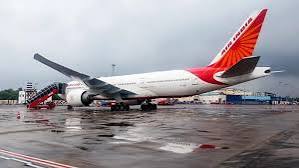
As airlines struggle with increasing financial strain brought on by the West Asia crisis, the Center has authorised a Rs 5,000 crore lifeline for India's aviation industry under the Emergency Credit Line Guarantee Scheme (ECLGS) 5.0.
The action coincides with a dramatic increase in the cost of aviation turbine fuel (ATF), currency fluctuations, and limitations on airspace following the conflict in Iran, all of which have greatly increased operating expenses and interfered with international travel. With Air India announcing a reduction of its overseas operations for June and July, citing some routes as financially "unviable," the strain has already started to show.
The Ministry of Civil Aviation claims that the program is intended to offer immediate liquidity relief as well as targeted credit help. Up to Rs 1,000 crore in loans are available to any qualified airline; an additional Rs 500 crore is connected to an equivalent equity infusion.
With a two-year repayment moratorium and a maximum seven-year term, the loans will provide breathing room to carriers facing cash flow difficulties.
According to the government, the program also permits up to 50% of the interest to be converted into a Funded Interest Term Loan (FITL), which further reduces short-term repayment obligations and increases liquidity.
The move, according to Civil Aviation Minister Ram Mohan Naidu, indicates the Center's intention to assist airlines in navigating a difficult global climate.
Airlines will be able to manage short-term financial issues and continue to run smoothly in the face of worldwide disruptions if ECLGS 5.0 is approved. In addition to aiding MSMEs, it will help protect jobs, maintain connections, and bolster the aviation sector, he said.
The government pointed out that prompt initiatives like limiting ATF pricing and lowering airport fees have kept Indian carriers comparatively strong in the face of global challenges. It also stated that the most recent action is intended to lessen the effects of the sector's ongoing operating problems, fluctuating exchange rates, and growing fuel prices.
.jpg)
.jpg)
.jpg)