
.jpg)
Energy shocks cause dizzying shifts that are only seen in the rearview mirror.When the world was initially hit by the oil crises in 1973 and 1979, observers thought everything would continue as usual. A declassified 1982 report for the Central Intelligence Agency predicted that crude consumption from Western Europe would be relatively steady throughout the 1980s. In 1978, the Organization for Economic Co-operation and Development predicted that by 1985, its imports would reach 35 million barrels.That is not how things worked out. Europe started a drastic change when the price of crude increased sevenfold. Previous predictions were shattered by a massive fleet of nuclear reactors in France, household boilers in England fuelled by North Sea gas and a contentious pipeline that connected Germany to massive Siberian gas resources. Europe's petrol consumption more than doubled from 1973 levels by the mid-1980s, while oil usage decreased by 20%. Crude imports fell 30% to well over half of what the OECD had predicted.
In Asia, we are currently witnessing the initial vibrations of a comparable earthquake. Over 80% of the petrol and oil that cross the Strait of Hormuz go east. Similar to Europe, the majority of the region has a basic petroleum shortage that is becoming worse every year. Although South Korea and Japan have long been among the nations most reliant on imports for their energy sources, the entire region is moving in the same direction.Over the past ten years, Vietnam has become a net importer of energy, and even Malaysia, a country wealthy in petroleum, is now a net importer of gasoline. Although Indonesia has been dependent on imports for more than 20 years, it still subsidises petroleum like the OPEC member it was for decades. Bangladesh, Pakistan, and Thailand are now dependent on expensive, faltering LNG imports due to the depletion of domestic gas reserves that supported their economies in earlier decades.
Fossil fuel shortages and price increases are already beginning to affect consumers in a way that will drastically alter earlier predictions, much like the oil shocks of the 1970s.
In March, the average price of kalguksu, a traditional homely comfort food made with noodles, surpassed 10,000 won ($6.79) for the first time in Seoul as inflation rose to 2.2%, partly because of increased energy import costs. Ramen bowls are getting closer to a psychologically significant 1,000-yen ($6.27) level in Japan, where food costs increased 6.8% last year. Due to government-regulated rates and the growing cost of heating oil, low-cost public restrooms are seeing narrower margins.
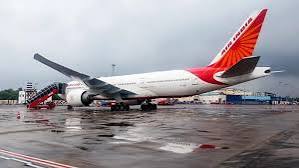
These wealthy nations possess important resources to mitigate the effects of this crisis. As the impact of the conflict in Iran was lessened by subsidies and the release of 80 million barrels of oil from strategic reserves, energy prices in Japan actually dropped 5.7% in March. For the Golden Week public holiday that begins this week, there has been a significant increase in the number of persons making reservations for travel abroad. However, such joy will be diminished by a protracted crisis that weakens emergency government assistance. Last month, consumer confidence in Japan had already dropped to its lowest point since May of last year.Travel around the area will be severely impacted. According to Cirium, an aviation company, airlines in Southeast Asia have reduced their May schedules by 10% to 15% since jet fuel prices in Singapore have doubled to their highest levels ever. Two-thirds of Thai Airways' daily flights between Bangkok and Seoul were cancelled. The $200 fee that Cathay Pacific Airways Ltd. is currently imposing on long-distance flights is enough to raise the cost of a return ticket between Australia and Europe by $800.
The impact on the roads is even more striking. Four-day workweeks have been implemented in Pakistan, the Philippines, and Sri Lanka in an effort to cut down on the amount of petrol and fuel required for transportation.
The impact on the roads is even more striking. Four-day workweeks have been implemented in Pakistan, the Philippines, and Sri Lanka in an effort to cut down on the amount of petrol and fuel required for transportation. Manila's jeepney minibus drivers have declared at least three strikes, calling for fuel tax reductions as growing expenses threaten to destroy their means of subsistence. One driver interviewed by local media was forced to sleep on the streets in order to save money on rent, with some reporting an 80% decrease in revenue due to the increased cost of fuel.
Further down the scale, as fertiliser prices climb as a result of the Persian Gulf's urea supplies being stopped, Indian farmers must determine if they have enough money to spare. The impact on living conditions can be brutally direct: as LNG imports from Qatar dried up, Pakistan is cutting grid power for more than two hours during each daily peak. In areas like Lahore, a city of 15 million people, when daytime temperatures can reach 40 degrees Celsius (104 degrees Fahrenheit), this results in unbearable conditions.
All of this is creating a scramble for alternatives, with clean energy emerging victorious each time.
Lack of LPG, which is used extensively in cooking, has caused long lines, altercations at stores, and a surge in electric induction burners that cost about three refills of gas bottles. Compared to the same month last year, LPG consumption decreased by 13% in March.
Used electric car auction sales in Australia surged in March. Approximately two-thirds of reservations at the Bangkok International Motor Show earlier this month were made by Chinese EV firms, surpassing Japanese manufacturers who typically dominate the local market. Vinfast Auto Ltd., a Vietnamese electric vehicle manufacturer, intends to sell around five times as many vehicles in international markets this year as it did in 2025.
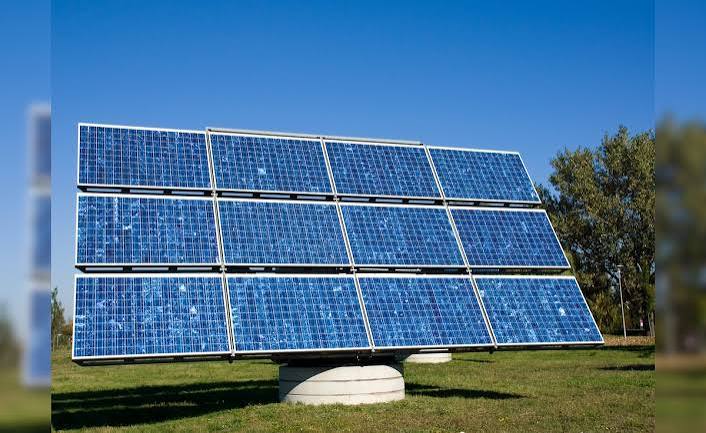
In recent months, battery-only devices have already accounted for around 50% of the market in Singapore and Thailand, and roughly a third in China, Indonesia, South Korea, and Vietnam. Billions of drivers in Asia were searching for an alternative to the expense and pollution of petrol power even before to the conflict, and electric models were already as affordable as regular cars in many areas.In comparison to levels at the end of 2025, the Philippines' overall solar capacity increased by 50% thanks to shipments of solar panels from China in March alone. Trade was enough to increase installations by at least 25% in Cambodia, Indonesia, Malaysia, and Pakistan. According to a solar installer in Manila who spoke with the local news outlet Rappler, they were signing up to ten times as many contracts per month as they had before to the war.
The antagonism that is driving this fundamental change was hardly anticipated by anyone. However, the trend has been evident for years as China's solar, battery, and electric car industries have become global leaders and the costs of clean energy have fallen below those of fossil fuels practically everywhere.Similar to Europe in the 1970s, estimates regarding the growth of fossil fuel usage place a strong emphasis on Asia. According to BP Plc's most recent energy forecast, the whole increase in LNG consumption may be attributed to developing Asian nations. According to the International Energy Agency, Southeast Asia and India will account for over 70% of the worldwide rise in oil demand until 2035.
In order to justify the expenditures it will make in the upcoming years, the global petroleum sector is banking on strong growth in Asian consumption. However, the Strait of Hormuz situation is driving local governments and consumers to look for alternatives.Another reason to defect is the United Arab Emirates' decision to leave OPEC this week, which is likely to weaken the cartel's ability to stabilise prices and increase importer volatility. China's exports of lithium-ion batteries, solar panels, and electric cars all increased in March, indicating that a better energy system is in the works and ready for adoption.
After the shocks of the 1970s, Europe's oil demand never fully recovered. Asia is about to undergo much more significant change if the Strait of Hormuz situation doesn't resolve quickly.
.jpg)
.jpg)

.jpg)