
.jpg)
The Donald Trump administration in the United States has initiated new "unfair trade practice" investigations into 16 key trading partners, including India, China, and Bangladesh, in an effort to restore tariff pressure after the US Supreme Court declared them illegal last month. The investigations are being conducted under "Section 301" of the Trade Act of 1974, which allows the US Trade Representative to levy tariffs or other retaliatory measures on trading partners who engage in unfair trade practices.
According to US Trade Representative Jamieson Greer, the probe might result in new duties being levied on China, the European Union, India, Japan, South Korea, and Mexico by this summer.
Taiwan, Vietnam, Thailand, Malaysia, Cambodia, Singapore, Indonesia, Bangladesh, Switzerland, and Norway are some of the other trading partners under investigation for surplus capacity.
The examination did not include Canada, the United States' second-largest trading partner.So these investigations will focus on nations where we have evidence of structural excess capacity and production in various manufacturing sectors, such as higher recurring trade surpluses or underutilized or unused capacity," Greer told reporters during a conference call.Greer also stated that on Thursday, he would launch another investigation under Section 301 of the Trade Act of 1974 to prohibit US importation of goods made with forced labour. The probe spans more than 60 countries.
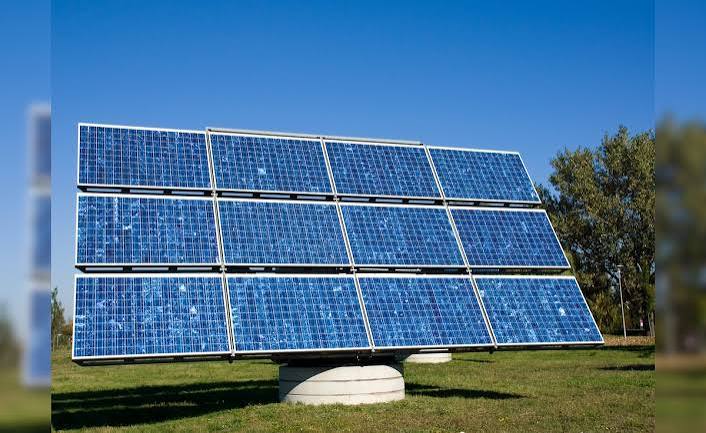
The United States has already restricted solar panel imports and other items from China's Xinjiang province under the Uyghur Forced Labour Protection Act, which was signed into law by former President Joe Biden, and the investigation might broaden such sanctions to other countries.
Greer stated that he wants other countries to impose bans on items manufactured using forced labour, comparable to those contained in a nearly century-old trade statute.
Why Trump Probes Trading Partners
Greer stated that he planned to complete the Section 301 investigations, including potential remedies, before Trump's new temporary tariffs imposed in late February expire in July. After the Supreme Court declared Trump's global tariffs illegal under a national emergency legislation on February 20, he imposed a 10% tax for 150 days under Section 122 of the Trade Act of 1974.
He outlined a quick timeline for the excess capacity investigation, with public comments accepted until April 15 and a public hearing scheduled for about May 5.The investigations provide an opportunity for the Trump administration to re-establish a credible tariff threat against trading partners in order to keep them discussing and implementing trade accords reduced to lessen his higher tariff rates under the International Emergency Economic Powers Act.
Greer stated that the new probes, which had been long anticipated by administration officials, should come as no surprise to trading partners, and that they should stick to their agreements, though he did not go so far as to claim that this would make them immune to any future Section 301 tariffs.
He stated that Trump was committed to pursuing tariffs and "will find a way to deal with unfair trading practices."He stated that Trump was committed to pursuing tariffs and "will find a way to deal with unfair trading practices." He'll find a method to reduce our trade imbalance. He will find a solution to defend American manufacturing. "We have a lot of tools to do it," Greer explained.
.jpg)
.jpg)
.jpg)