
.jpg)
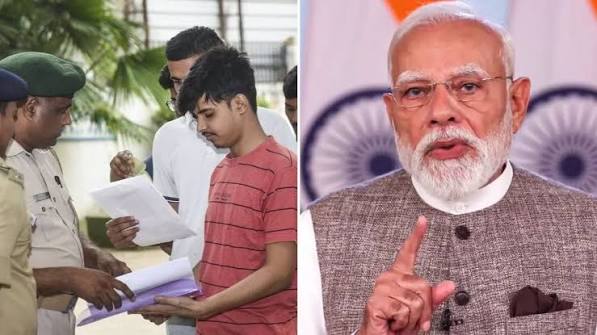
Indian Prime Minister Narendra Modi said he discussed the "serious situation in the region" with Iranian President Masoud Pezeshkian, as New Delhi seeks to ensure the safe passage of tankers through the Strait of Hormuz.
On X, Modi wrote that he "expressed deep concern over the escalation of tensions and the loss of civilian lives as well as damage to civilian infrastructure," noting that the "safety and security of Indian nationals, along with the need for unhindered transit of goods and energy, remain India's top priorities."The statement included no mention of maritime traffic through the Strait of Hormuz, which transports around one-fifth of global crude and serves as an important gateway for India's energy needs. The tiny waterway has been effectively closed since the US and Israel launched an attack on Iran at the end of last month.
According to sources acquainted with the situation, India is in talks with Iran to guarantee the passage of more than 20 tankers via the strait. Negotiations are ongoing and being handled by the ministry of foreign affairs, according to the persons, who asked not to be identified because the conversations are sensitive.The tankers, loaded with crude oil, liquefied petroleum gas, and liquefied natural gas, have been trapped since the US and Israeli attacks on Iran began, but their arrival might assist alleviate supply constraints. India imports almost all of its LPG, two-thirds of its LNG, and nearly half of its petroleum from the Middle East.
Ten of the tankers are carrying LPG contracted by refiners such as Indian Oil Corp. and Hindustan Petroleum Corp., while the other five are transporting crude, according to one source.
According to reports on Thursday, Iran allowed Indian-flagged vessels to travel across the strait.When asked about the deal, an Iranian official acquainted with the situation disputed that a green light had been granted, requesting anonymity because he is not permitted to speak to the media.Last week, the US allowed India to temporarily raise its purchases of Russian oil, easing months of pressure on the world's third-largest crude importer.
Last week, a US submarine bombed and sank an Iranian vessel off the coast of Sri Lanka, upsetting New Delhi's carefully calibrated policy as Iran pledged to punish the strike.
US sinks Iranian ship in the Indian Ocean.
The Iranian frigate sank off the coast of Sri Lanka, leaving over 100 people missing or dead.
The US attack came just days after the Iranian ship took part in a flagship Indian naval exercise at the request of New Delhi, alongside Indian and other warships. It shifted the conflict's geography to a location directly within India's strategic neighborhood, putting Modi in a delicate position as his government strives to avoid taking firm sides.
.jpg)
.jpg)
.jpg)