
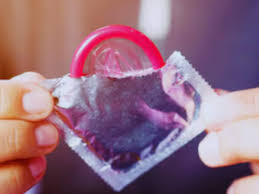
According to a recently revised law, China will impose a value-added tax (VAT) on contraceptive drugs and products for the first time in over thirty years. Consumers will now be required to pay a 13% tax on these items, which were previously exempt due to China's enforced one-child policy, which has since been changed, and the country's strong encouragement of birth control over the past three decades. In 2023, India overtook China as the most populous country in the world.
Reasons behind China's new "condom tax"
China's updated VAT law will no longer exempt contraceptive medications and items from tax as of January 1, despite the country's population numbers not being a concern in the traditional sense.
China is shifting from reducing birth rates to encouraging people to have more kids.
According to news agency Bloomberg, its population has actually decreased for three years running, with only 9.54 million births reported in 2024—roughly half of the 18.8 million births recorded nearly ten years ago, when the one-child ban was removed.
In 2015, the government raised the birth restriction to two children. The cap was increased to three children in 2021 as China's population peaked and then started to drop.
Contraception has been widely advertised over the years and is now widely available, even for free. Condoms will now be subject to the same 13% tax as the majority of goods.
Experts warn of the decision's potential effects on public health.
However, scientists have expressed worry that the risks to public health could rise if fewer condoms are used. "Higher prices may reduce access to contraceptives among economically disadvantaged populations, potentially leading to increases in unintended pregnancies and sexually transmitted infections," an unnamed expert told AP.
According to data from the National Disease Control and Prevention Administration, there were over 100,000 cases of gonorrhoea and 670,000 cases of syphilis in China in 2024, following a decline during the COVID-19 pandemic years.

.jpg)

.jpg)

.jpg)