
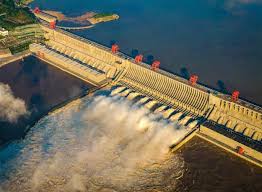
In the lower reaches of the Yarlung Tsangpo River in Tibet, just 50 kilometers from the Indian border, China has started building the largest hydroelectric dam in the world, raising new concerns in New Delhi about the project's potential effects.
Despite India's long-standing worries about the downstream effects of such huge damming projects on transboundary rivers, intelligence sources evaluated by Indian agencies and satellite imaging indicate that construction work has accelerated in recent months.
Originating in Tibet, the Yarlung Tsangpo flows into India via Arunachal Pradesh before becoming the Siang River. After then, it enters Assam as the Brahmaputra, a crucial water supply for the nation's millions of Indians.
The Indian government, which views the development as one of the most important components of Beijing's hydroelectric projects in Tibet, is keeping a tight eye on the project, officials with knowledge of the situation told NDTV.
However, experts caution that large-scale damming operations on the river can result in changes to the natural flow of water, sediment transport processes, ecological damage, and altered flood patterns downstream. This development coincides with Indian officials' ongoing concerns about the downstream effects of such projects.
Experts claim that massive dams in the upper sections of the river would offer China more influence in any disagreement by assisting Beijing in controlling water flow in the area, therefore the strategic aspect of the damming operation cannot be disregarded in addition to its downstream effects.
Beijing insists that its hydroelectric initiatives are intended to provide electricity and would not endanger nations downstream, such as India. However, New Delhi is not going to take any chances.
Kirti Vardhan Singh, the Minister of State for External Affairs, responded to questions in Parliament last year by stating that the Center has taken note of stories about the mega-dam's construction beginning.
According to Singh, the government has been monitoring the proposed mega-dam for decades."The project was first made public as far back as 1986, and ever since, preparations have been going on in China," he stated.
The government, he added, "carefully monitors all developments relating to the Brahmaputra river, including plans by China to develop hydropower projects and takes "necessary measures to protect our interests, including preventive and corrective measures to safeguard life and livelihood of Indian citizens residing in downstream areas."
He stated that all matters pertaining to transboundary rivers are discussed through the Expert Level Mechanism, which was formed in 2006, and that India has repeatedly voiced its concerns to the Chinese side through formal channels.
"Government has consistently conveyed its views and concerns to the Chinese authorities, and has urged them to ensure that the interests of downstream states are not harmed by any activities in upstream areas," Singh said.
According to officials who spoke to NDTV, the matter was also brought up at the highest levels during External Affairs Minister S Jaishankar's July 2025 visit to China for the Shanghai Cooperation Organization Foreign Ministers' Meeting.
In addition to its diplomatic efforts, India is concentrating on strengthening its capacities and preparing for any future calamity.
.jpg)
.jpg)
.jpg)