
.jpg)
For Asia, the continent most vulnerable to the loss of crude oil and liquefied natural gas from the still mostly closed Strait of Hormuz, the U.S. and Israeli assault against Iran is turning out to be a turning point.
The most populated and rapidly expanding region in the globe was already embracing electrification, particularly in the form of battery electric storage systems (BESS) and electric vehicles (EVs), but this was mostly a Chinese phenomena.
However, the loss of around 20% of the world's LNG and about 10 million barrels per day (bpd) of crude and refined product supplies from the Middle East is having a profound impact.People in the business currently believe that quick deployment of BESS systems throughout Southeast Asia and South Asia and increasing adoption of EVs, particularly two- and three-wheelers, are guaranteed.
At this week's Asia Battery Raw Materials & Recycling Conference in Hanoi, there was a noticeable sense of confidence as attendees focused more on how the area would find enough raw materials to produce batteries than on how to boost demand from current levels.
The popularity of electric vehicles (EVs) in China is well known; last year, their market share increased to around half of all new car sales, and they also saw quick increases in heavier vehicles like trucks and buses.
The speed at which markets in Asia outside of China are electrifying car fleets and the anticipated rate of growth in the upcoming years are less widely recognised.
According to data provided at the conference by Paul Lusty, Head of Battery Raw Materials Research at Fastmarkets, Vietnam's EV sales increased by 150% in 2024 and by 100% in 2025, while Thailand experienced a boom of about 150% in both years.
There are indications that the rest of Asia is beginning to catch up, even though Chinese automakers have contributed significantly to the rise in sales in Asia as their vehicles become more affordable compared to those with internal combustion engines (ICEs).VinFast, a Vietnamese company, increased its sales from 7,000 EVs in 2022 to 197,000 in 2025 and now has operations in Indonesia and India.
The growth has been largely attributed to supportive government regulations and persuading the public that EVs were not a luxury item and that emerging middle class families could afford more affordable models.
THREE AND TWO-WHEELERS
The availability and affordability of two- and three-wheelers, which are essential in markets throughout Southeast Asia and South Asia, are being increased by EV manufacturers for the less affluent.According to Fastmarkets, sales of these vehicles are predicted to expand at a compound annual growth rate of 30% in the upcoming years due to lower acquisition and operating expenses as well as the expansion of charging and battery swap stations.
EV adoption is expected to pick up steam as a result of the Iranian crisis, particularly in nations where petrol and diesel have market prices.
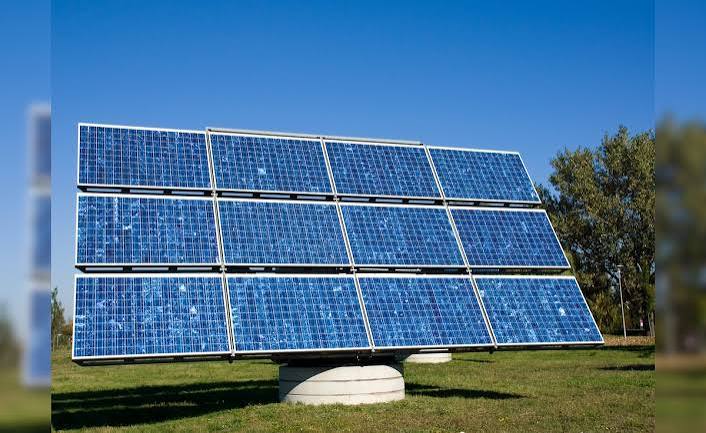
However, even in nations with fuel subsidies, governments are adopting policies that support electrification due to the financial strain brought on by rising crude oil and refined product prices.A rise in BESS systems is also anticipated in Asia as nations increase the amount of variable electricity generated by renewable energy sources like solar and wind power and try to balance this by installing batteries.
According to Fastmarkets, BESS installations are likely to grow ninefold globally by 2036 compared to 2025 levels, with significant growth anticipated in China and other Asian nations.
In addition to reducing the need of LNG for gas-fired power generation, the quick deployment of EVs and BESS systems throughout Asia will destroy demand for refined products like petrol and diesel.
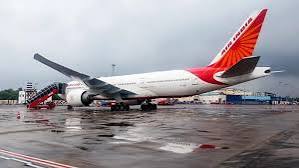
Additionally, it will change the mix of refined products used; given the growing usage of plastics in manufacturing, naphtha consumption is likely to rise.Demand for jet fuel is also expected to rise as more people travel due to increased income levels.
Oil producers and refiners will have difficulties because, as electrification rises, the mix of products will change even as peak crude demand approaches.
.jpg)
.jpg)

.jpg)